

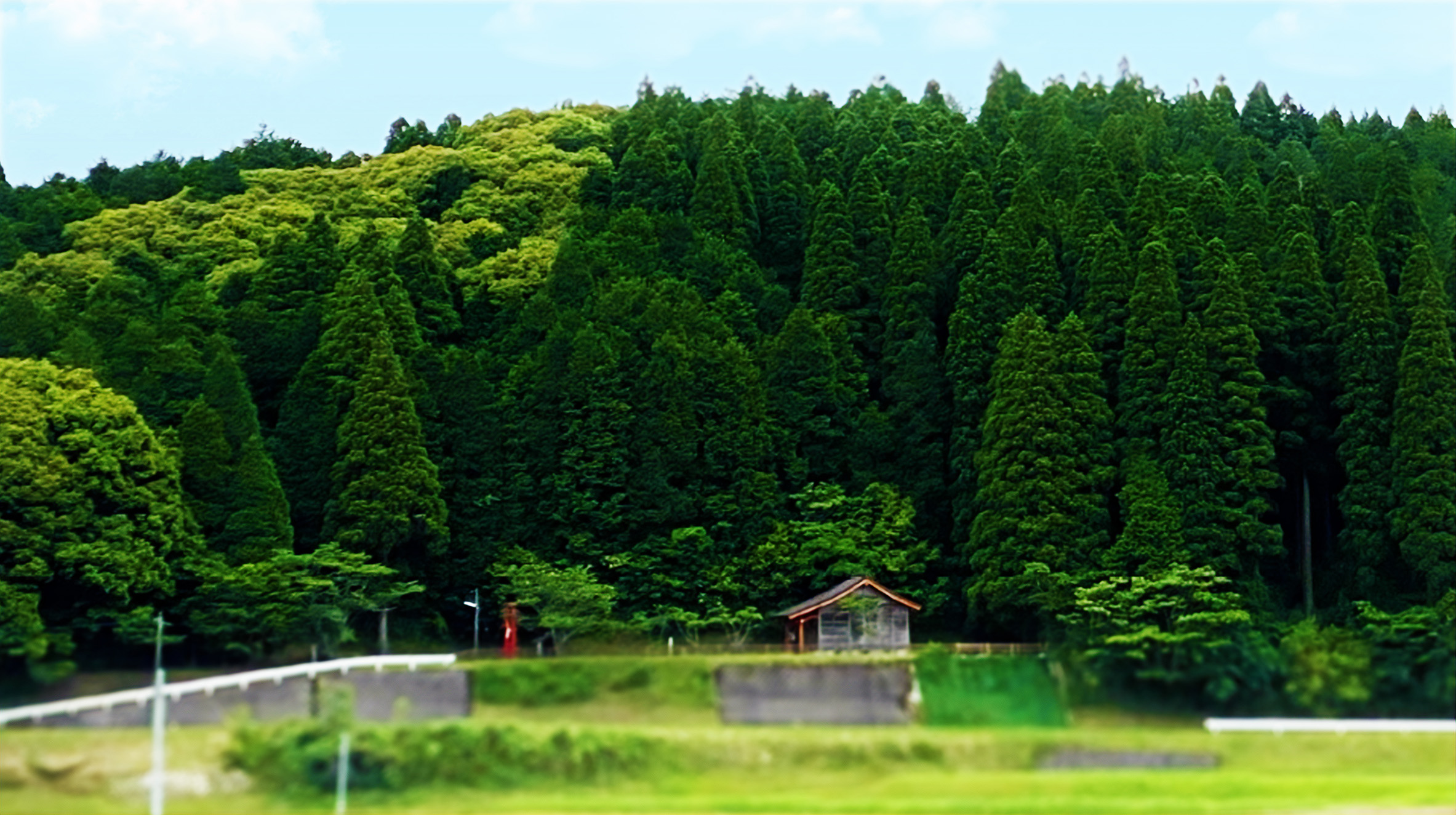
It is said that the Emperor Jimmu-tenno, who reigned as the first emperor at the end of the Jomon period, had been greatly influenced by the “spirit of Jomon” during his governing of the country.
In other words, the spirit of Jomon is the origin of the Japanese people and the root of their soul.
“Onoyama Daijingu” brings back to life the spirit and thoughts of the Jomon period to people's hearts, and it will be meaningful as a place of worship that will be inherited by future Japan for a long time.

The belief in the Jomon period was centered on nature worship (animism), that considers the soul to reside in all things that exist in this world, regardless of whether they are living being or non-living objects.
It can be also said that ancient beliefs that focus on worshipping mountains, trees, and stones that exist around us, and the land of gods that live there, are the origin of Japanese religion that later evolved into Shrine Shinto (“Jinjya-Shinto”).
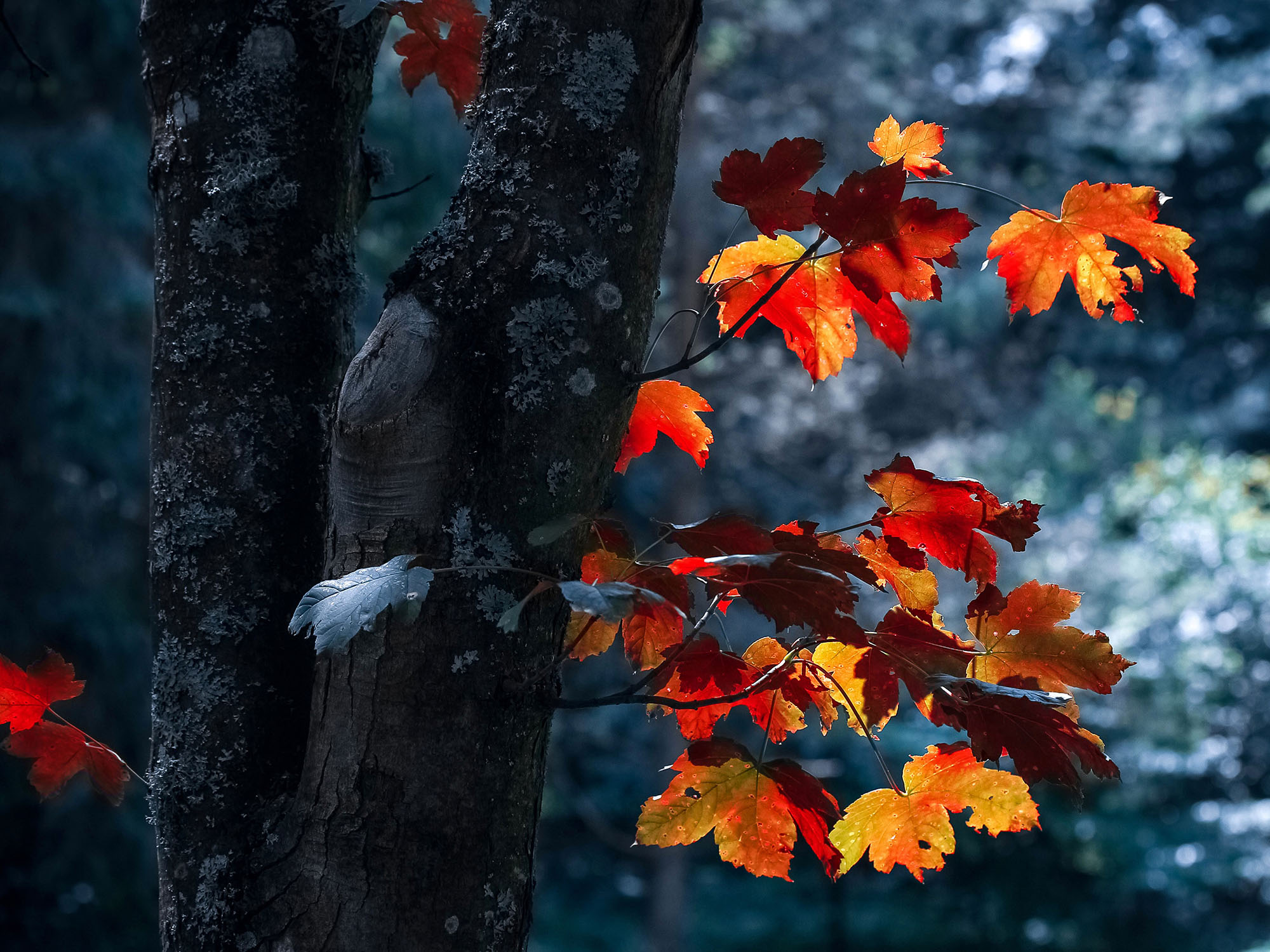
As you can understand from the ancient Shinto of Jomon, Coexistence and symbiosis with nature brought unwavering relief to the hearts of the people of the Jomon period.
At “Onoyama Daijingu”, the nature that remains in the mountains, such as trees and small streams, is enshrined as a god (“Goshintai”, body of deity), centering on the rock which is believed to be a place where Emperor Jimmu-tenno has actually sat.

The spirit of Jomon is the root of the Japanese soul and the origin of Japanese religion and thought.
An existence that has been passed down from ancient times to the hearts of the Japanese people,
has created a space of relief that coexists and is symbiotic with nature in the current era,
will connect it for hundreds and thousands of years to the eternal future.
That is “Onoyama Daijingu”.